Song Choices
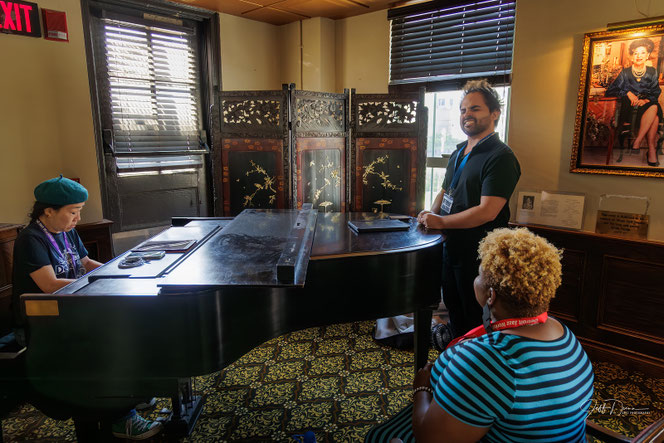
The Vocal Jazz Workshop is centered on the development of the individual solo voice. Students are required to prepare two vocal jazz works of contrasting styles, which will be used as material for masterclasses, private instruction, and clinics. In collaboration with workshop faculty, one selection will be chosen for performance in the end-of-workshop showcase.
What songs should i bring?
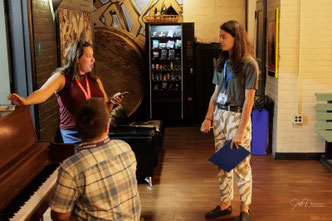
Your choice of repertoire should reflect your experience level in both singing and jazz. While it is important to select songs you enjoy and feel a personal connection to, you are strongly encouraged to learn at least one new tune rather than relying solely on songs you have performed in the past. If practice time is a concern, a good approach is to prepare one new song alongside a second tune you already know well. Keep in mind that you will be working with expert instructors throughout the week, and this workshop is an opportunity to develop new skills and deepen your jazz singing.
If you have prior experience singing jazz, you are likely already familiar with a range of jazz vocalists and the repertoire they perform, and may have a set of tunes you regularly sing. If you are new to jazz singing, or unsure how jazz singing differs from musical theater or other vocal styles, we have provided a curated list of 150 vocal jazz standards to explore, featuring both traditional and contemporary performances on YouTube. All of these selections qualify as appropriate repertoire for the workshop. If you have questions about song choices, please do not hesitate to contact us.
DO I Need a Lead sheet or arrangement?
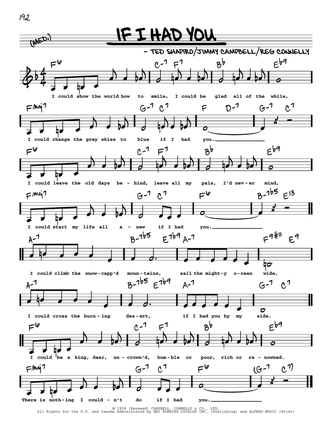
A lead sheet is a one- or two-page document that represents the essential elements of a song. It includes the melody, lyrics, chord symbols, form, and a suggested tempo or groove. A lead sheet functions as a skeletal version of the music, allowing performers the freedom to create their own interpretation and arrangement.
An arrangement also contains these elements, but it is typically based on a specific recorded version of a song. Arrangements may be simple or complex, often featuring a stylized melody, written piano accompaniment, transcribed sections from recordings, and sometimes key changes. Arrangements are generally longer, often ranging from four to ten pages.
The preferred format for songs brought to the workshop is a lead sheet. Throughout the workshop, we will teach you how to develop your own arrangement from a lead sheet, which is more aligned with the jazz tradition than reproducing someone else’s version of a song. While elements from existing arrangements may be incorporated when appropriate, our goal is to take an organic approach that highlights your artistic choices rather than those of another recording artist. If a lead sheet is not in your preferred key, or if there are elements you would like to add or remove, these adjustments can be made during rehearsals with your instructor.
Please plan to bring five copies of the lead sheet for each of your two selected tunes. As noted earlier, these tunes should be in contrasting styles. Lead sheets can be found in publications such as The Vocal Jazz Real Book (Hal Leonard), on websites like SheetMusicPlus.com, and on platforms such as MuseScore. When selecting lead sheets, be mindful of the source, as errors can occur depending on the version used or through simple transcription mistakes. We will be happy to review your lead sheets during the workshop and assist with any necessary corrections.
OFTEN-USED JAZZ STYLES
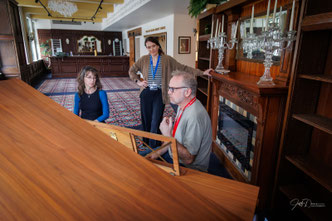
There are many stylistic approaches to performing a jazz song. Some interpretations stay close to the original recording, while others can differ dramatically. Neither approach is inherently better, as jazz performance exists along a broad spectrum of possibilities. Exploring these options is one of the benefits of having private lesson and rehearsal time with your instructor and a professional rhythm section.
There are also several foundational groove options that can be easily communicated to a rhythm section. These grooves provide a practical starting point when working with a jazz rhythm section and can help shape the overall feel and direction of your performance.
Slow Ballad (straight feel)
Swing Ballad
Med Ballad
Walking Ballad (faster tempo ballad with swing feel)
Medium Swing
Medium Fast Swing
Fast Swing
6/8 Swing (in various tempos)
3/4 Swing (in various tempos)
Bossa Nova
Samba
Afro-Cuban
Straight 8th's
Rock and Funk based Grooves
There are a vast number of additional cultural groove combinations and time-signature choices available when arranging jazz songs, but the list above accounts for most of the grooves and tempos commonly found in sung jazz standards. As with any list, exceptions to the rule are easy to find. At the same time, this framework can serve as a creative “toolbox,” helping vocalists think more organically about how to shape a tune.
crossover songs
A crossover song is one that has popular appeal across multiple genres or styles. An example of a crossover artist with strong jazz roots is Stevie Wonder. His widespread funk and Motown success blends seamlessly with jazz-influenced melodic and harmonic techniques. Smooth jazz is a more clearly defined crossover style, combining elements of R&B with traditional jazz harmony and improvisation.
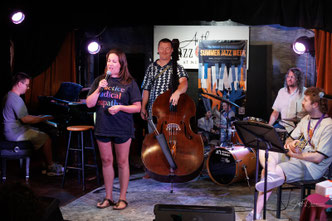
We have a professional rhythm section with a wide stylistic range to support you if you choose a song that dips into the crossover pool. Please keep in mind that the instrumentation will be acoustic piano, upright bass, acoustic guitar, and a jazz drum set. While some crossover jazz tunes originally use electric or rock instruments, our accompaniment will remain acoustic (see the accompanying photo for reference).
Whatever song you choose will be performed with an acoustic jazz accompaniment. If you are enrolled and have questions about song selection or stylistic fit, we are happy to communicate with you to help find the best possible choice to bring to the workshop.
HOW DO I PREPARE MY SONGS?

Plan on coming to the workshop with your two songs fully memorized, including lyrics and melody. You will not be required to improvise in performance, but please be open to trying new ideas during rehearsals and lessons. One common and effective approach is to learn your song by singing along with a recording by a jazz artist.
If you arrive at the workshop solidly confident in your lyrics and familiar with the recorded version you studied, without relying on a lead sheet, smartphone, or other assistance, you will be able to take direction more efficiently. If you are learning new tunes for the workshop, it is recommended that you choose your songs by the beginning of June, giving yourself about a month to practice and reinforce them through listening.
What should i be prepared for at the workshop?
To be fully prepared for the jazz workshop week, come in knowing your two chosen songs well. Beyond that, be ready to stay flexible, take direction, and remain open to new ideas. You will have agency in artistic decisions throughout the week. If you are not naturally a risk-taker, give yourself time to settle in and try things before passing judgment. This is a safe and supportive environment where instructors and musicians are not only rooting for you, but actively working with you to help you take meaningful steps toward becoming the jazz vocalist you want to be.
You will be asked to improvise during the workshop and to experiment with new ideas. Some of these concepts may feel familiar, while others may not. That is part of the learning process. You will also be asked to sing in front of others. If you experience stage anxiety or performance-related concerns, please let us know, and we will do our best to be thoughtful and supportive.
You will not be asked to sing in vocal groups, sight-read music, or play instruments. If you are both a vocalist and an instrumentalist and would like to incorporate both skills into your performance, let us know. Instruction will focus on the vocal side of your performance, but you are welcome to bring your instrument if you feel confident accompanying yourself. Professional accompanists will be provided in lessons, rehearsals, and performances.